
5 Signs Your IB PYP Students Are Becoming True Concept Seekers (Not Just Topic Learners)
Hello again, fellow inquiry teachers!
There's a moment in every unit when you can feel the shift. Your students stop reciting facts about the topic and start reaching for the concept underneath it. Know what I mean? It's one of my favourite things to watch happen in a classroom, and it's not always obvious unless you know what you're looking for.
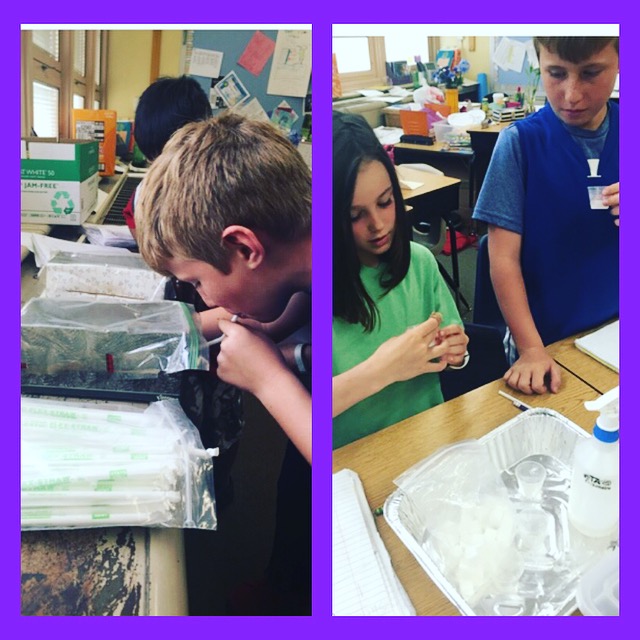
Making connections with concepts: form, causation, structure, change, impact all through the topic of rocks & minerals.
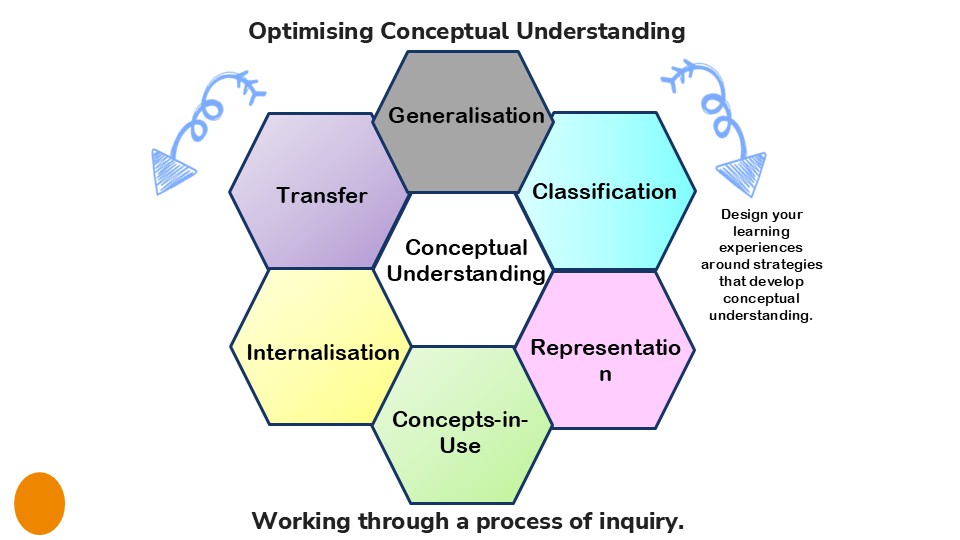
Here are five signs I watch for and they all connect with classroom strategies:
1. They Use the Word "Because" Without Being Asked
Topic learners tell you what happened. Concept seekers tell you why it happened, and connect it to something bigger, without you prompting them for the "because."😉
2. They Transfer the Idea to a Completely Different Context
A true sign of conceptual understanding is when a student takes an idea from your unit and applies it somewhere else, somewhere you never mentioned. That is transfer, and it cannot be faked.
3. Their Questions Get Bigger, Not Smaller
As topic learners get more information, their questions tend to get narrower and more factual. Concept seekers' questions get broader. They start asking about systems, patterns and connections rather than single facts.
4. They Disagree With Each Other, Respectfully
Concepts are open to interpretation in a way that facts are not. When you hear students genuinely debating what a concept means or how it applies, that's conceptual thinking in action. Concept Discussion Mats work really well for promoting these conversations, particularly as you are tuning into the theme. I designed them specifically for collaborative conversations all whilst developing a clear understanding of the concepts in our inquiry. The roll and talk perfectly gamifies the learning experience. Kids LOVE it! 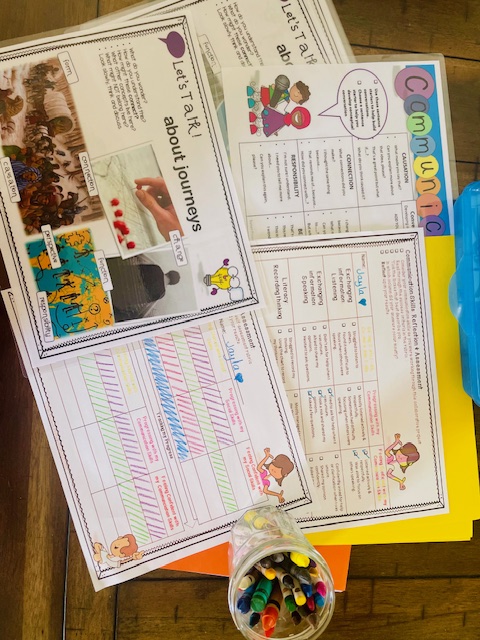
5. They Can Explain It To Someone Younger
If a student can take a big, abstract concept and explain it simply to another student without losing the meaning, they have truly internalised it. That's the gold standard.
How Do You Actually Catch These Signs?
This is where quick, low-pressure assessment tools earn their keep. I created quite a few to bring those 5 points to life.
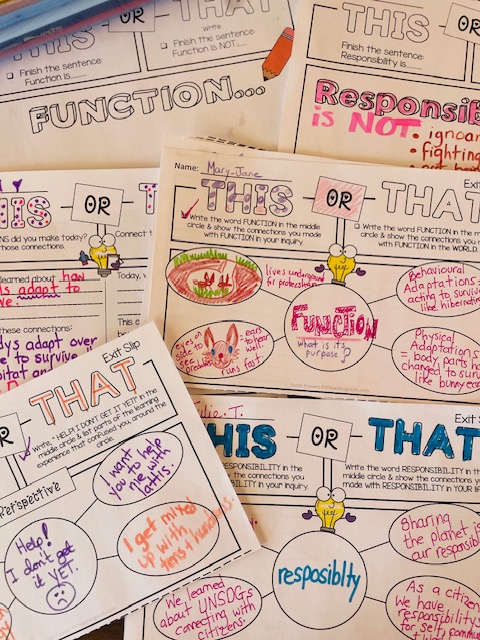
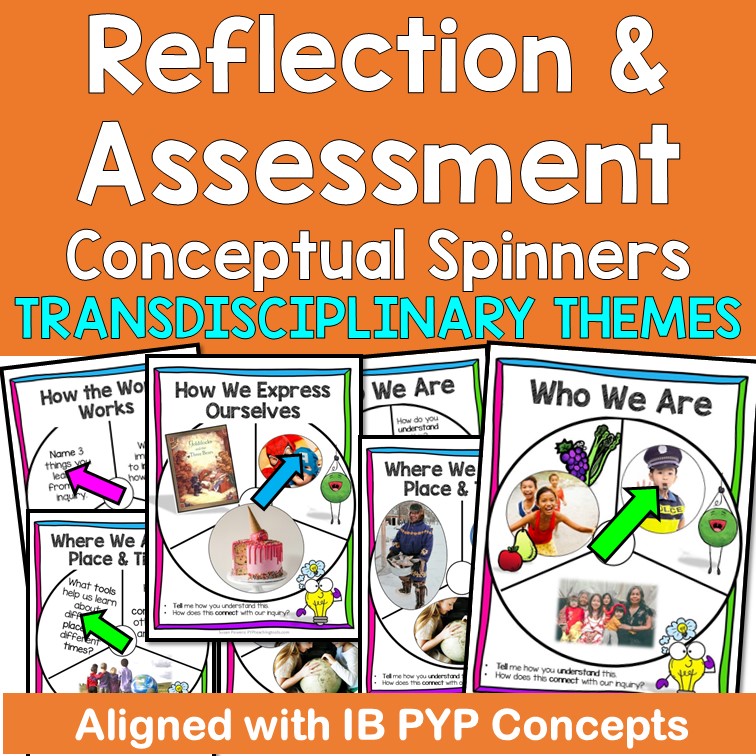
I use This or That Exit Slips at the end of a lesson to get an honest, fast read on where students are sitting conceptually, and I pair them with my Reflection and Assessment Spinners, which are built around the SOLO Taxonomy so you can see, at a glance, whether a student is still at the surface level or genuinely relating and extending their thinking. Listen to the conversations. Analyse their record of thinking. Both teaching tools are hands-on and offer the children a choice to share their voice. I love that they get to actually choose how they can share their conceptual understanding in multi-modal ways.
➡️ Grab the SOLO Taxonomy Spinners Bundle Here for GR.3-5
👉Grab the SOLO Taxonomy Spinners Bundle for K-2 here
BE INSPIRED. BE CONFIDENT. BE READY!
If you're not seeing all five signs yet, that is exactly what your Annual Membership is built to help with. I share strategies to support your planning of concept-based inquiry, developing your young concept seekers. And, tools like these, ready to print and use tomorrow, are already waiting for you inside your resource library. INSTANT ACCESS TO DOWNLOAD.🤩 You have access to on demand professional learning workshops within your membership such as - Inclusive Assessment Strategies for the PYP for example.
👉 Explore the Annual Membership
Enjoy!
Yours aye, Susan
P.S. Which of these five do you see most often in your classroom? I'd love to hear. Come tell me on Instagram @pypteaching.
